Revolutionary Sound-Wave Science Reveals Solar Secrets
Scientists have discovered a hidden transformation happening inside our sun by literally "listening" to its internal vibrations. Using nearly four decades of specialized data, researchers have found that the sun's magnetic activity appears to be shifting closer to the surface across recent 11-year solar cycles—a change that traditional forecasting methods may be missing entirely.
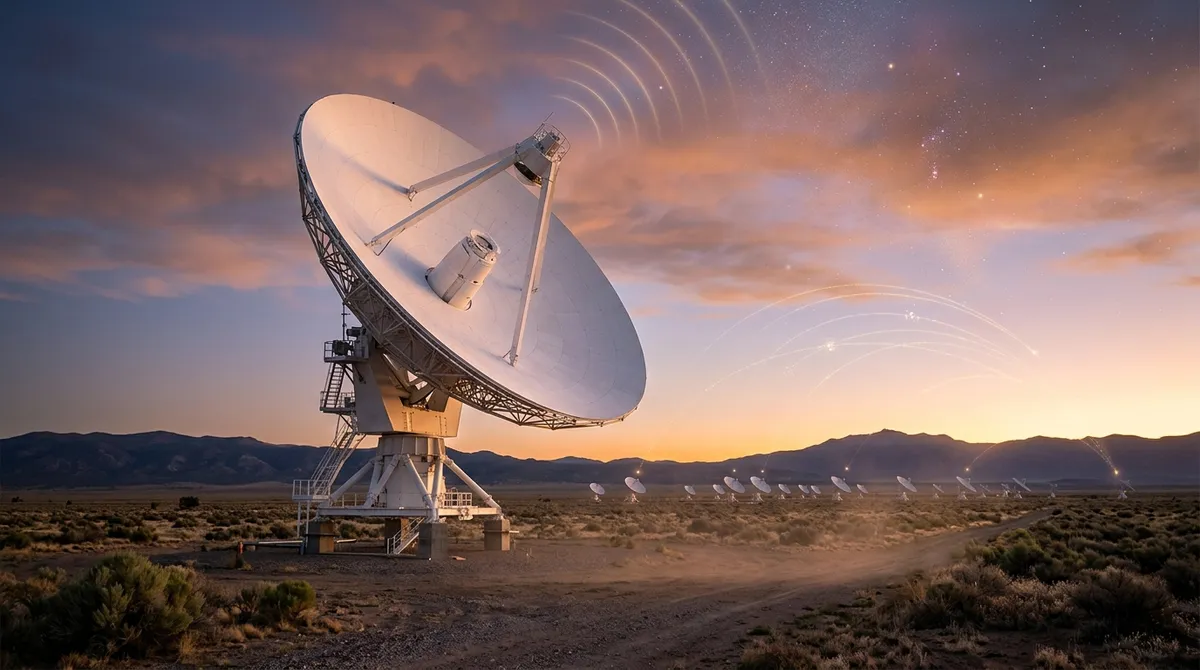
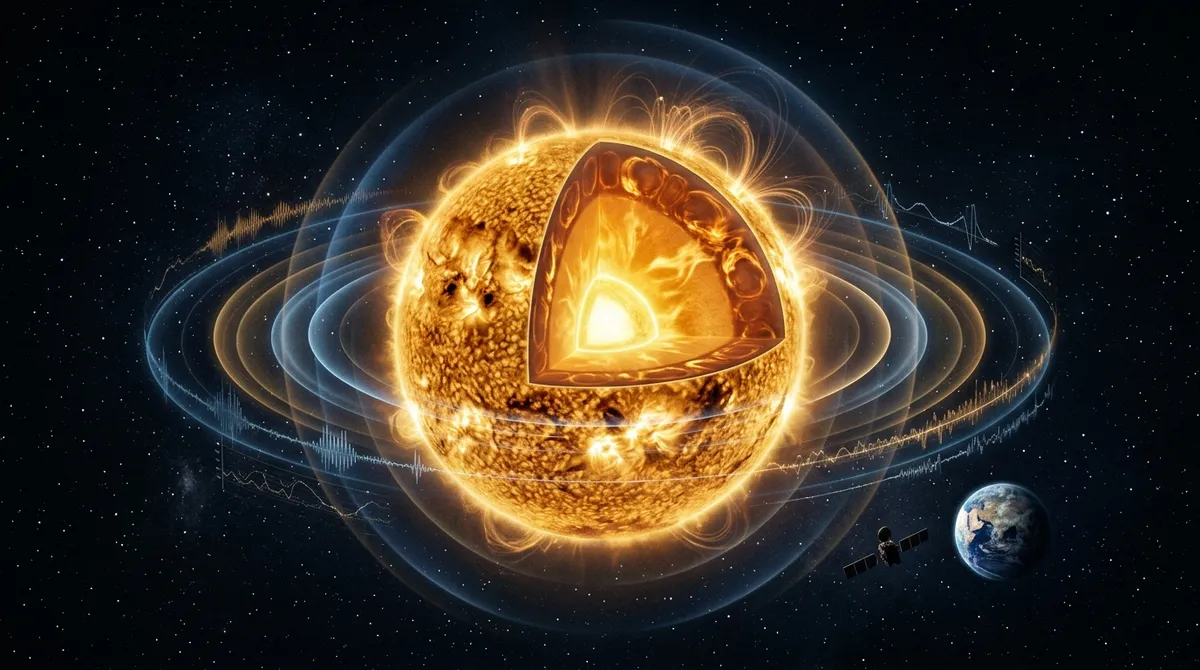
The breakthrough comes from helioseismology, a field that uses sound waves to peer inside the sun much like doctors use ultrasounds to examine the human body. According to reports, this research analyzed data spanning almost 40 years from the Birmingham Solar-Oscillations Network (BiSON), revealing patterns invisible to conventional solar observation methods.
Why Solar Cycle 25 Defies Expectations
The findings have particular relevance for Solar Cycle 25, the current 11-year period of solar activity that began in 2019. While surface indicators like sunspots and solar flares suggest this cycle appears weaker than previous ones, the helioseismology data tells a different story. According to the research, Solar Cycle 25 is showing unusual internal signatures that indicate stronger activity beneath the surface.
This discrepancy raises serious questions about how reliably scientists can forecast space weather using traditional methods that focus primarily on visible solar phenomena. The internal changes due to the sun's "active biorhythm" have become increasingly "skin-deep" over the past four solar activity cycles, according to the study.
The Technology at Risk
Understanding these hidden solar changes has immediate implications for modern technology that depends on stable space weather conditions. Solar storms can disrupt satellite communications, interfere with GPS navigation systems, damage power grids, and threaten the electronics that underpin our connected world.
The research suggests that current space weather forecasting methods, which rely heavily on sunspot counts and solar flare observations, may be missing crucial information about the sun's internal magnetic dynamics. This could leave critical infrastructure vulnerable to unexpected solar events that appear mild on the surface but pack hidden intensity.
How Scientists 'Listen' to the Sun
Helioseismology works by detecting tiny oscillations on the sun's surface caused by sound waves bouncing around inside the star. These acoustic waves carry information about the sun's internal structure, temperature, and magnetic field strength—much like how seismologists use earthquake waves to study Earth's interior.
The BiSON network has been continuously monitoring these solar oscillations for nearly 40 years, creating an unprecedented dataset that allows researchers to track long-term changes in the sun's behavior. This extended observation period is crucial because solar cycles operate on an 11-year timescale, requiring decades of data to identify meaningful trends.
Implications for Future Space Weather
The discovery that solar magnetic activity is migrating toward the surface has significant implications for space weather prediction. If the sun's internal dynamics are changing in ways not captured by surface observations, forecasters may need to incorporate helioseismology data to improve their models.
According to reports, this shift in magnetic activity location could explain why some recent solar events have produced unexpected effects despite appearing relatively minor when viewed through traditional metrics. The research suggests that the sun's 11-year cycle may be evolving in ways that make surface indicators less reliable guides to actual solar activity levels.
A New Era of Solar Understanding
This research represents a significant advancement in solar physics, demonstrating how sound-wave science can reveal hidden aspects of our nearest star's behavior. As Solar Cycle 25 continues to unfold, the integration of helioseismology data with traditional observation methods could provide a more complete picture of solar activity.
The findings underscore the importance of maintaining long-term solar monitoring programs like BiSON, which provide the extended datasets necessary to detect subtle but significant changes in stellar behavior. As our technological dependence on space-based systems continues to grow, understanding the sun's hidden rhythms becomes increasingly critical for protecting the infrastructure that powers modern civilization.