Disease: The Hidden Enemy of Snake Populations
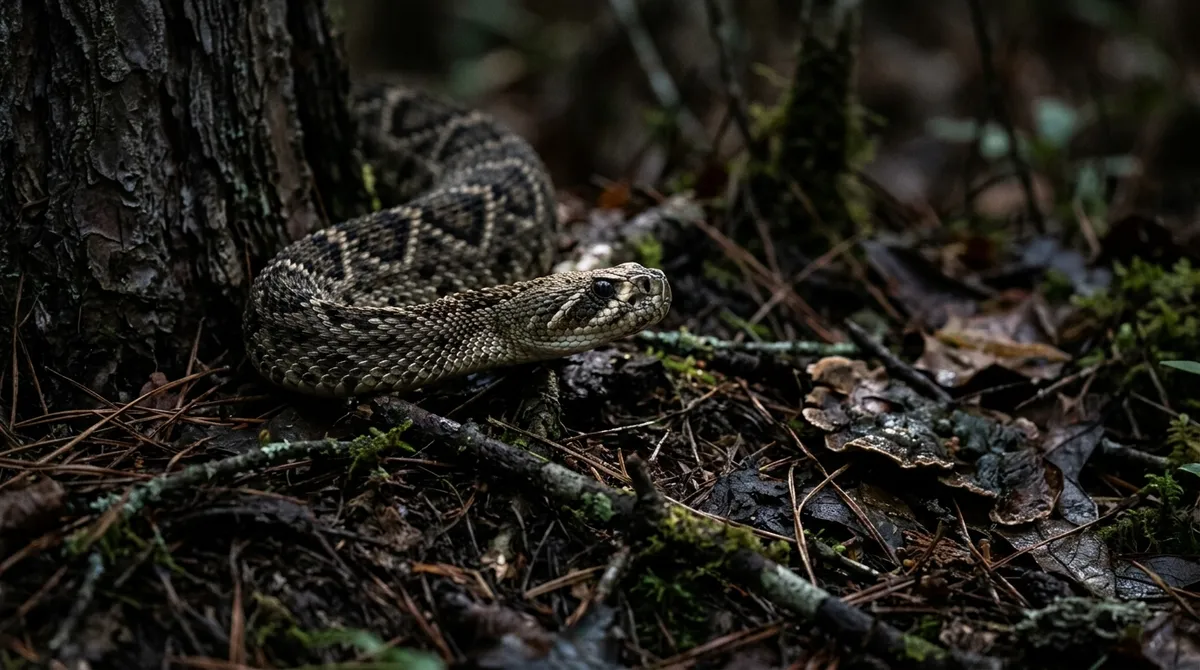
While habitat loss and human persecution dominate headlines about declining snake populations, a comprehensive new study reveals that disease may be a severely underestimated threat to these already vulnerable reptiles. Researchers who surveyed more than 500 wild snakes across the southeastern United States have uncovered alarming rates of pathogens, with rattlesnakes emerging as particularly susceptible to both fungal infections and invasive parasitic lungworms.
The findings paint a complex picture of wildlife health challenges that extend far beyond simple habitat protection, highlighting how coinfections, species differences, geography, and invasive-host dynamics all play critical roles in snake conservation efforts.
Rattlesnakes: Unexpected Victims in the Disease Game
According to the research, rattlesnakes showed especially high vulnerability to snake fungal disease—a condition that can cause severe skin lesions, behavioral changes, and death in affected reptiles. These same species also proved particularly susceptible to an invasive parasitic lungworm that attacks their respiratory systems.
This vulnerability challenges common perceptions of rattlesnakes as hardy, dominant predators. Instead, the study positions them as surprisingly fragile components of southeastern ecosystems, facing threats that go largely unnoticed by the public and even many conservation professionals.
The Fungal Threat Explained
Snake fungal disease represents a relatively newly recognized but potentially devastating threat to North American snake populations. The condition can cause a range of symptoms from skin lesions to neurological problems, ultimately compromising the animals' ability to hunt, mate, and survive in the wild.
What makes this disease particularly concerning is its ability to persist in environments and potentially spread between snake populations through various pathways, including human-mediated wildlife movements and natural migration patterns.
Invasive Species: Unwitting Disease Carriers
The study also highlighted how invasive species can serve as vectors for moving parasites through ecosystems. The parasitic lungworm affecting rattlesnakes appears to be invasive in nature, suggesting that non-native species introductions may be creating unexpected disease pressures on native wildlife.
This dynamic illustrates a complex web of ecological relationships where the introduction of seemingly unrelated species can have cascading effects on native predators through disease transmission pathways that scientists are only beginning to understand.
Wildlife Translocation: An Unintended Consequence
As conservation efforts increasingly rely on wildlife translocation—moving animals from one location to another to establish new populations or supplement existing ones—the research raises important questions about what pathogens might accidentally be spread through these well-intentioned programs.
The study's emphasis on how wildlife translocation can inadvertently distribute diseases underscores the need for more comprehensive health screening protocols in conservation programs, particularly those involving species movements across geographic boundaries.
Reframing Conservation Narratives
Perhaps most importantly, this research offers an opportunity to reframe how we think about unpopular animals like rattlesnakes in conservation contexts. Rather than viewing them as dangerous pests to be avoided or eliminated, the findings suggest these species serve as important indicators of broader ecosystem health.
Snakes facing multiple disease pressures may signal underlying environmental problems that could eventually affect other wildlife species and even ecosystem services that humans depend on. Their vulnerability to pathogens makes them early warning systems for ecological disruption.
The Bigger Picture
With snake populations already under intense pressure from habitat destruction and direct human persecution, the addition of significant disease threats creates a multi-front conservation challenge. The research argues that understanding pathogen loads and transmission dynamics is becoming increasingly urgent as wildlife translocation programs expand, invasive species continue spreading, and pathogen spillover between species becomes more common.
As climate change and habitat fragmentation stress wildlife populations worldwide, diseases that might have been manageable under historical conditions may now push already vulnerable species toward extinction. For rattlesnakes and other snake species in the southeastern United States, this study suggests that comprehensive conservation strategies must account for disease as a major threat multiplier rather than a minor additional stressor.
The research ultimately calls for a more nuanced approach to wildlife conservation—one that recognizes the complex interplay between traditional threats like habitat loss and emerging challenges like disease, while acknowledging that even unpopular species play crucial roles in maintaining healthy ecosystems.