The Daily DNA Damage Dilemma Plants Face
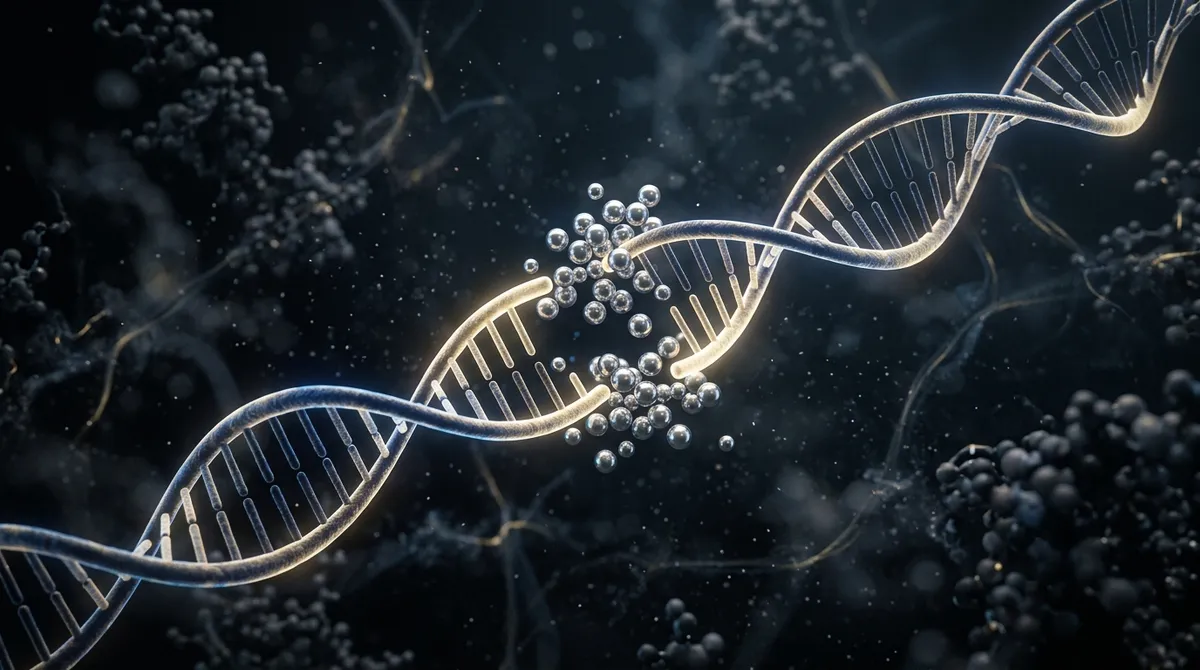
Every day, plants face a biological paradox that would challenge any living organism: the very sunlight they need to survive is constantly damaging their DNA. According to research from the Salk Institute, plants endure environmental stresses including sunlight that can disrupt their growth, development, and survival—similar to how DNA damage contributes to human diseases like cancer.
Now, scientists have uncovered a remarkable solution that plants have evolved to handle this constant assault on their genetic material.
Enter YAF9B: The Plant Kingdom's Emergency Responder
Researchers at the Salk Institute have identified a specialized protein called YAF9B that serves as what they describe as an "extra layer of defense" for plants under genetic stress. This protein operates as a highly specialized "emergency responder" that only activates in stem cell tissues after DNA damage occurs.
What makes YAF9B particularly fascinating is its precision. Rather than working throughout the entire plant, this protein specifically protects growth-critical stem cells—the cellular powerhouses responsible for a plant's continued development and survival.
How Plants Choose Between Speed and Accuracy
The discovery reveals a sophisticated decision-making process within plant cells. According to the research, plants must constantly balance between fast-but-risky and slow-but-accurate DNA repair methods. YAF9B plays a crucial role in this balance by making damaged DNA more accessible for high-fidelity repair specifically in the tissues that matter most for the plant's survival.
This represents an evolutionary innovation that sets plants apart from other organisms. The research indicates that this specialized repair system is something that animals and yeast don't possess, highlighting the unique evolutionary pressures that have shaped plant biology.
Revolutionary Implications for Agriculture
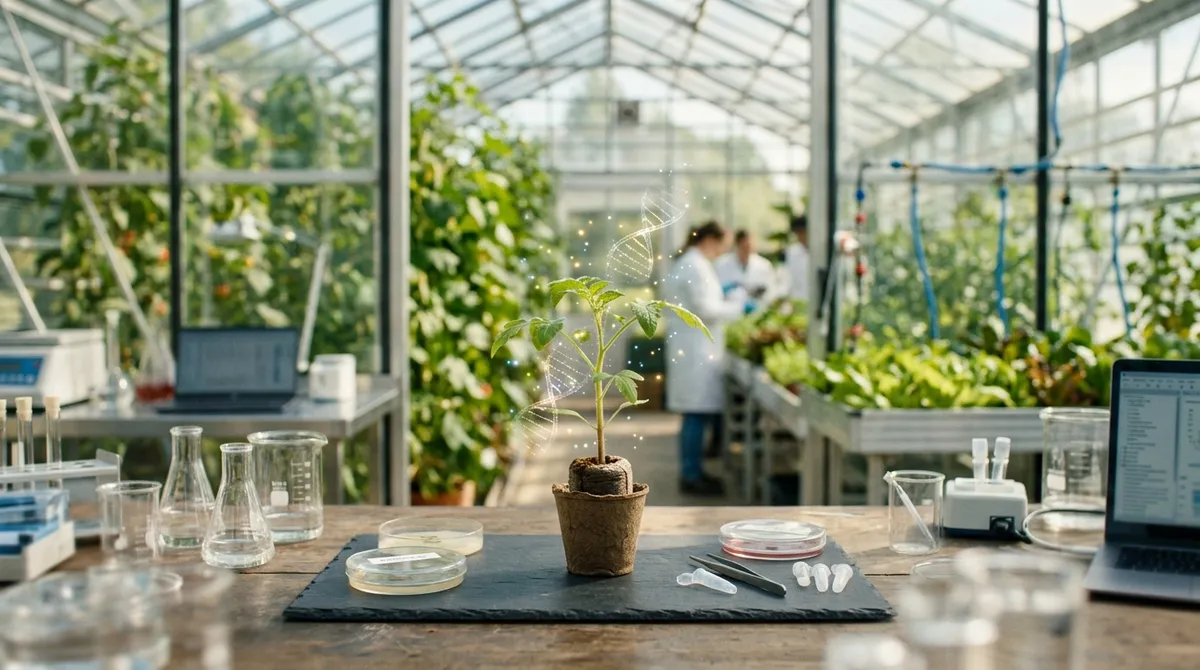
The implications of understanding YAF9B extend far beyond basic plant biology. According to reports, this discovery could unlock better CRISPR gene-editing techniques, potentially transforming how scientists modify crops. As climate pressures intensify globally, the ability to create more resilient crops becomes increasingly critical.
The research suggests that by understanding how plants naturally maintain genome stability under constant environmental stress, scientists may be able to harness these mechanisms to improve agricultural biotechnology. This could lead to crops better equipped to handle the mounting challenges of climate change, including increased UV radiation, temperature fluctuations, and other environmental stressors.
Why This Discovery Matters Now
The timing of this discovery is particularly significant given current global challenges. Plants must maintain genome stability to survive and grow, even while facing unprecedented environmental pressures. Understanding how they accomplish this feat naturally provides a roadmap for enhancing agricultural systems.
The research reveals that plants have developed multiple repair pathways to stay healthy under stress—a biological redundancy system that ensures survival even when environmental conditions become harsh. This natural resilience could serve as a blueprint for engineering similar capabilities into crop varieties.
Looking Toward Agricultural Innovation
As scientists continue to explore how plants' natural DNA repair strategies offer lessons for improving agricultural biotechnology, the potential applications seem boundless. The discovery of YAF9B represents just one piece of a larger puzzle that could fundamentally change how we approach crop development and food security.
For educators and researchers studying plant biology, this discovery opens new avenues for understanding the intricate balance between environmental adaptation and genetic stability. The specialized nature of YAF9B's function demonstrates the remarkable precision with which evolution has equipped plants to handle one of biology's most fundamental challenges.
This breakthrough in understanding plant DNA repair mechanisms may prove crucial as humanity faces the dual challenges of feeding a growing global population while adapting to a changing climate.