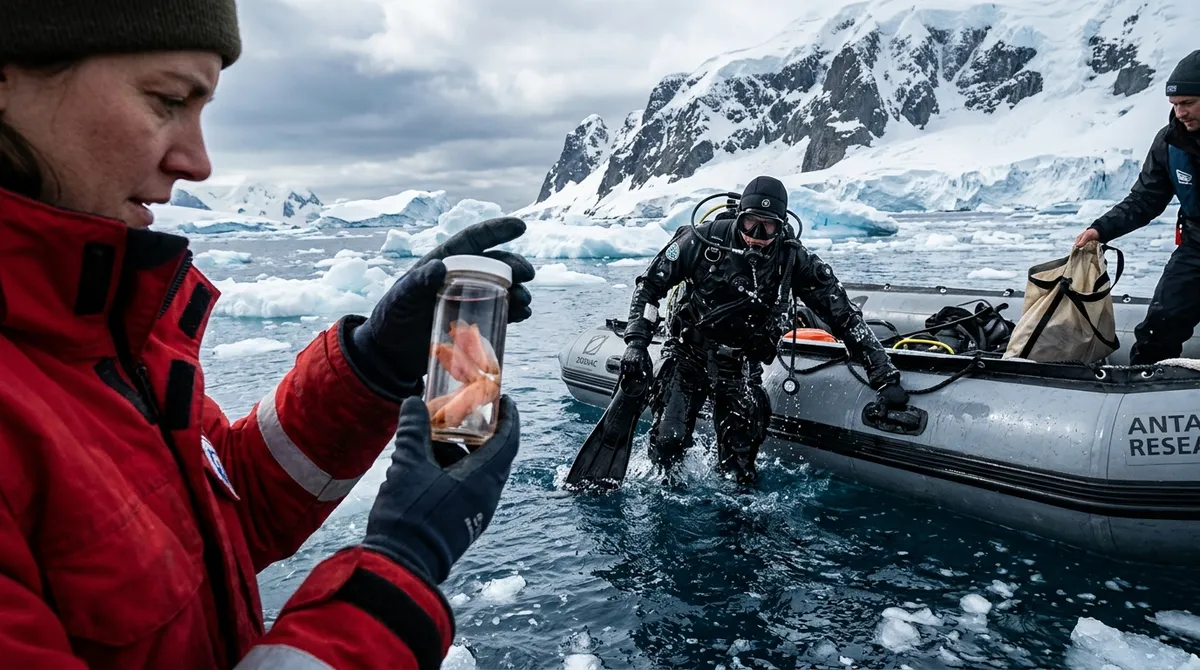
Diving Into Antarctica's Frozen Pharmacy
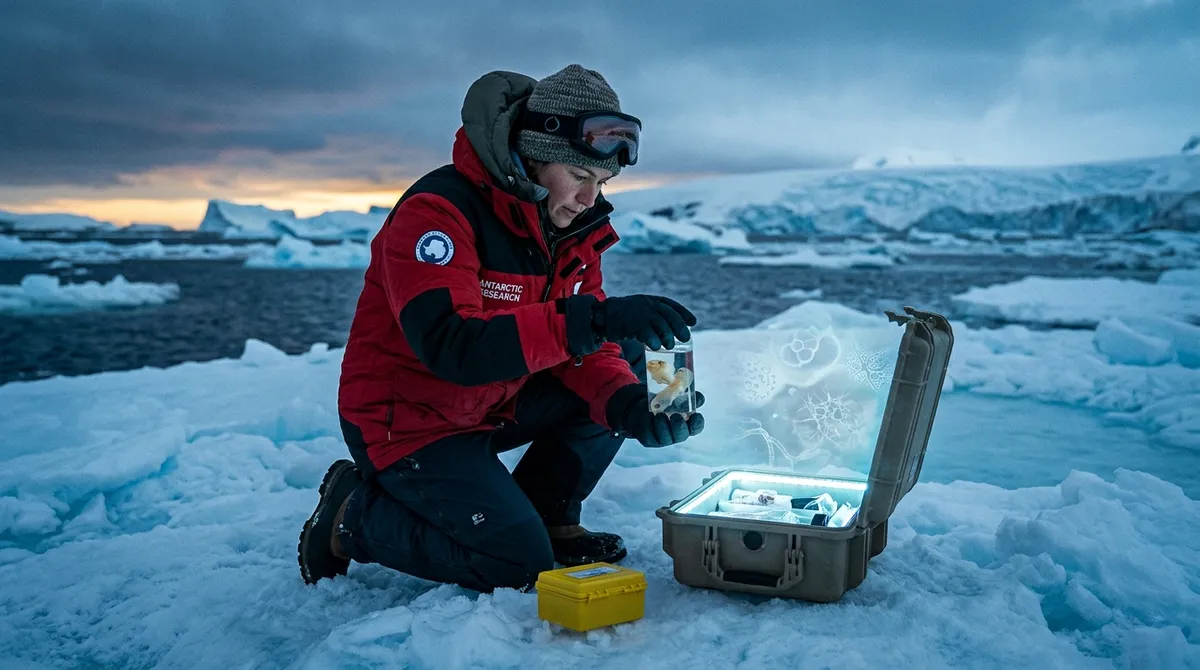
In one of Earth's most remote and dangerous environments, researchers from the University of South Florida have completed a remarkable six-week expedition that could revolutionize melanoma treatment. According to reports, the team traveled to Antarctica to study ascidians—commonly known as sea squirts—that harbor bacteria with the extraordinary ability to kill melanoma cells.
This groundbreaking research builds on a discovery made two decades ago by chemistry professor Bill Baker, demonstrating how scientific breakthroughs can take years to fully develop. The expedition represents a crucial step in understanding how these natural compounds could be transformed into life-saving cancer treatments.
The Race Against Melanoma
Melanoma remains one of the deadliest forms of skin cancer, making this research particularly urgent. What makes this Antarctic expedition even more significant is the broader context of natural drug discovery. According to reports, over half of all FDA-approved medications originate from natural sources, highlighting the untapped pharmaceutical potential hidden in Earth's most extreme environments.
The harsh Antarctic conditions that make research so challenging may actually be the key to these organisms' therapeutic potential. In extreme isolation, marine creatures like ascidians evolve specialized chemical defenses that scientists can repurpose as medicine. These natural compounds, refined through millions of years of evolution, often prove more effective than synthetic alternatives.
From Ocean Floor to Laboratory
The expedition's findings could significantly accelerate the journey from basic marine biology research to clinical application. The researchers faced dangerous diving conditions in Antarctica's frigid waters to collect samples of these unique organisms, demonstrating the lengths scientists will go to unlock nature's pharmaceutical secrets.
The ascidians themselves are fascinating creatures—marine animals that attach to surfaces on the ocean floor and filter nutrients from the water. What makes them particularly interesting to researchers is their symbiotic relationship with bacteria that produce compounds toxic to cancer cells, specifically melanoma.
Nature's Hidden Medicine Cabinet
This research exemplifies how the ocean serves as an unexplored pharmacy, with countless species potentially holding keys to treating major diseases. The Antarctic environment, with its extreme conditions and unique ecosystem, has produced organisms with remarkable adaptations that could benefit human health.
The symbiosis between ascidians and their bacterial partners represents millions of years of co-evolution, resulting in sophisticated chemical defenses. These natural compounds often work in ways that synthetic drugs cannot replicate, offering new approaches to cancer treatment that might overcome existing therapeutic limitations.
The Long Road to Treatment
While the expedition marks a significant milestone, the path from discovery to treatment remains complex. Professor Baker's original discovery, made 20 years ago, is only now reaching the detailed laboratory analysis phase. This timeline illustrates the careful, methodical process required to transform natural discoveries into safe, effective medical treatments.
The research team's work in Antarctica involved not only collecting samples but also documenting the organisms' natural habitat and behavior. Understanding how these creatures thrive in such extreme conditions provides crucial context for developing treatments that harness their unique properties.
Beyond the Headlines
The human element of this research cannot be overlooked. The scientists who ventured into Antarctica's dangerous waters represent a unique breed of researcher—part marine biologist, part explorer, part medical detective. Their willingness to work in one of Earth's most challenging environments demonstrates the dedication required for breakthrough medical research.
As the team analyzes their Antarctic samples, the scientific community watches with anticipation. The intersection of extreme exploration and medical innovation continues to yield surprising results, reminding us that the next major breakthrough in cancer treatment might come from the most unexpected places on our planet.
This Antarctic expedition represents more than just sample collection—it embodies humanity's relentless pursuit of solutions to devastating diseases, even when those solutions require venturing to the ends of the Earth.