Diving Into Danger for Cancer Cures
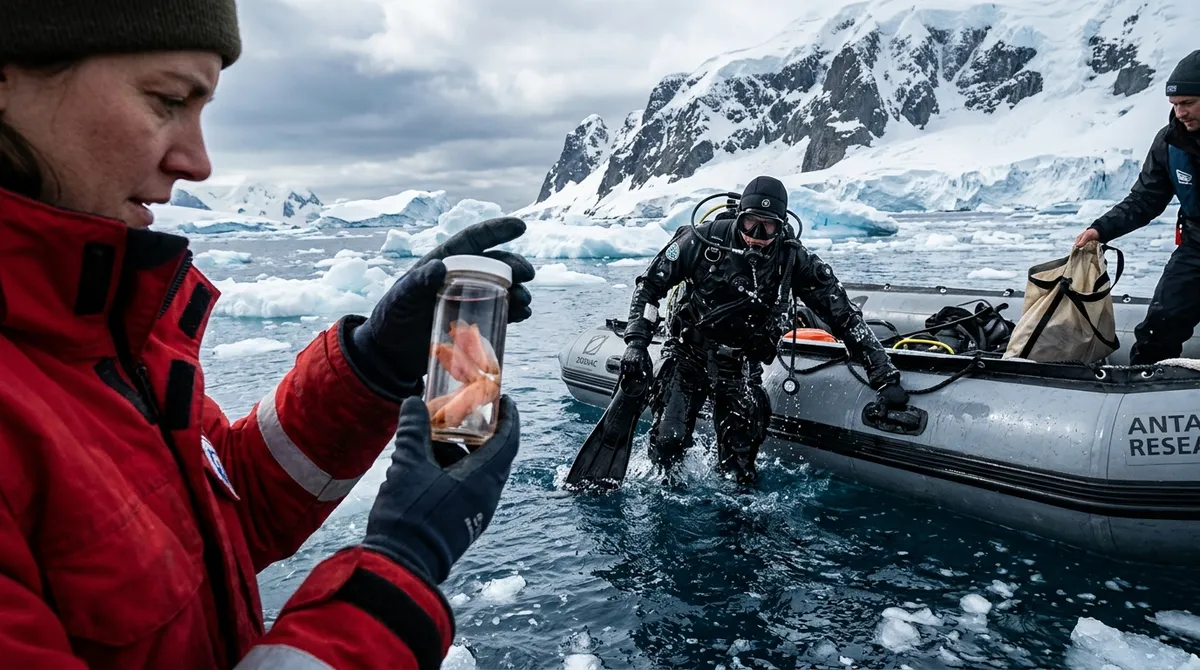
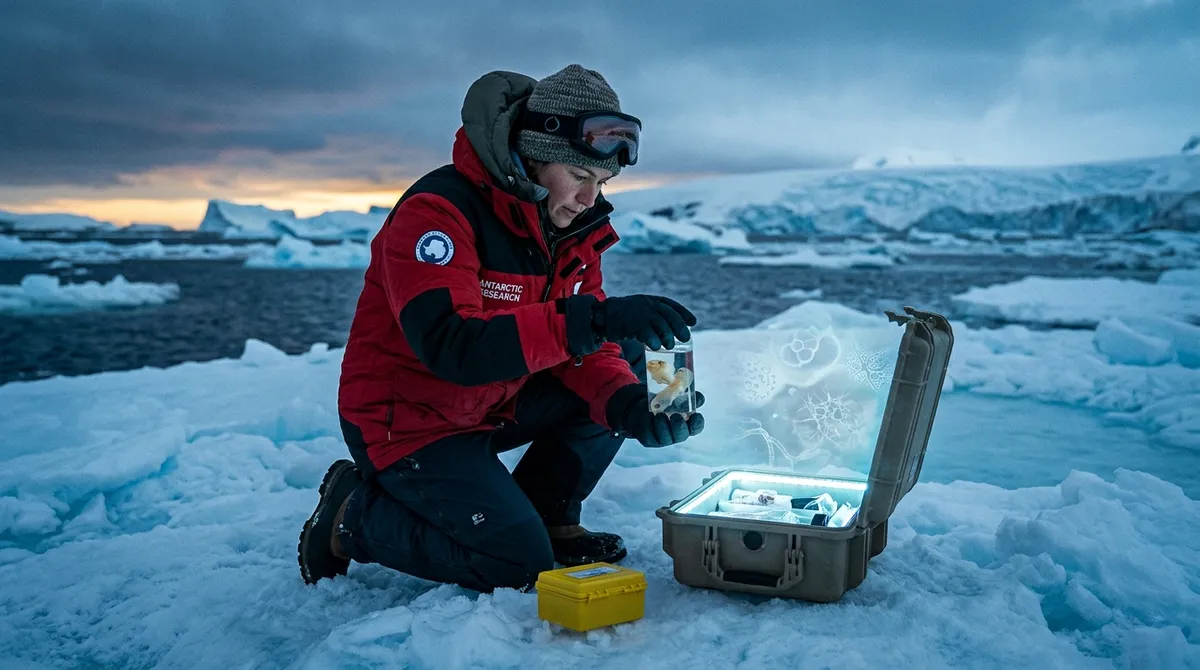
In one of the most remote and treacherous environments on Earth, researchers have been hunting for a potential breakthrough in melanoma treatment. A team from the University of South Florida recently completed a six-week Antarctic expedition, diving into frigid waters to collect specimens that could revolutionize cancer therapy.
The focus of their dangerous mission? Humble sea squirts known as ascidians, which harbor bacteria capable of killing melanoma cells. This extraordinary research builds upon a discovery made two decades ago by chemistry professor Bill Baker, demonstrating how scientific breakthroughs can take years to fully develop.
Nature's Pharmaceutical Laboratory
The Antarctic expedition represents a fascinating intersection of extreme exploration and cutting-edge medical research. According to reports, over half of all FDA-approved drugs originate from natural sources, making ocean-based discoveries increasingly valuable in the ongoing battle against cancer.
Melanoma remains one of the deadliest forms of skin cancer, creating urgent demand for new therapeutic approaches. The harsh Antarctic environment has produced uniquely evolved organisms with specialized chemical defenses that researchers believe humans could repurpose as medicine.
The Long Road from Discovery to Treatment
The current expedition highlights the lengthy pipeline from initial discovery to potential clinical application. Baker's original finding occurred 20 years ago, yet researchers are only now advancing to detailed lab analysis phases. This timeline illustrates the complex journey required to transform marine biology discoveries into viable cancer treatments.
The symbiotic relationship between ascidians and their bacterial inhabitants has evolved in extreme isolation, creating chemical compounds with remarkable properties. These organisms have developed sophisticated survival mechanisms in Antarctica's brutal conditions, and scientists are working to understand how these natural defenses might translate into human therapeutics.
Extreme Science in Earth's Most Remote Waters
The six-week Antarctic expedition required researchers to operate in some of the planet's most dangerous diving conditions. The team faced significant risks to collect specimens from waters that few humans ever experience. Their work represents the dedication required to advance medical science, often involving researchers who risk their safety in Earth's most remote environments.
The expedition's findings could potentially accelerate the development of new melanoma treatments, though the path from laboratory analysis to clinical trials remains lengthy. The research demonstrates how extreme environments continue to yield unexpected medical possibilities.
Ocean Creatures as Medical Treasures
This Antarctic research showcases lesser-known marine organisms that could hold keys to treating major diseases. Sea squirts might appear unremarkable, but their bacterial partnerships have evolved unique chemical capabilities over millions of years of isolation.
The University of South Florida team's work emphasizes how nature continues to serve as humanity's pharmacy. As researchers analyze their Antarctic samples, they're essentially decoding millions of years of evolutionary chemistry that could benefit cancer patients worldwide.
The Future of Marine-Based Medicine
The recent expedition represents just the beginning of understanding these Antarctic organisms' therapeutic potential. Researchers must now conduct extensive laboratory analysis to determine how the melanoma-killing compounds work and whether they can be safely developed into human treatments.
According to reports, the research team's findings could advance our understanding of how extreme environments produce organisms with pharmaceutical potential. This work continues the long tradition of discovering life-saving medicines in nature's most unexpected places.
As scientists analyze their Antarctic specimens, they're contributing to a growing body of research that views the ocean as an untapped source of medical breakthroughs. The combination of extreme exploration and laboratory innovation may eventually translate into new hope for melanoma patients, demonstrating how scientific curiosity and human courage can work together to combat deadly diseases.