
Asthma, a chronic respiratory condition affecting millions globally, has long posed challenges in both diagnosis and management. Recent advancements in medical research have unveiled a novel method that might revolutionize our understanding of asthma, potentially predicting its onset years before symptoms manifest. This breakthrough offers hope for early intervention and improved patient outcomes.
Understanding Asthma and Its Challenges
Asthma is characterized by inflammation and narrowing of the airways, leading to symptoms such as wheezing, shortness of breath, and coughing. These symptoms can vary in intensity and frequency, often triggered by factors such as allergens, exercise, or pollution. The unpredictable nature of asthma attacks makes the condition difficult to manage, necessitating ongoing research into better diagnostic and treatment strategies.
Innovative Diagnostic Approach
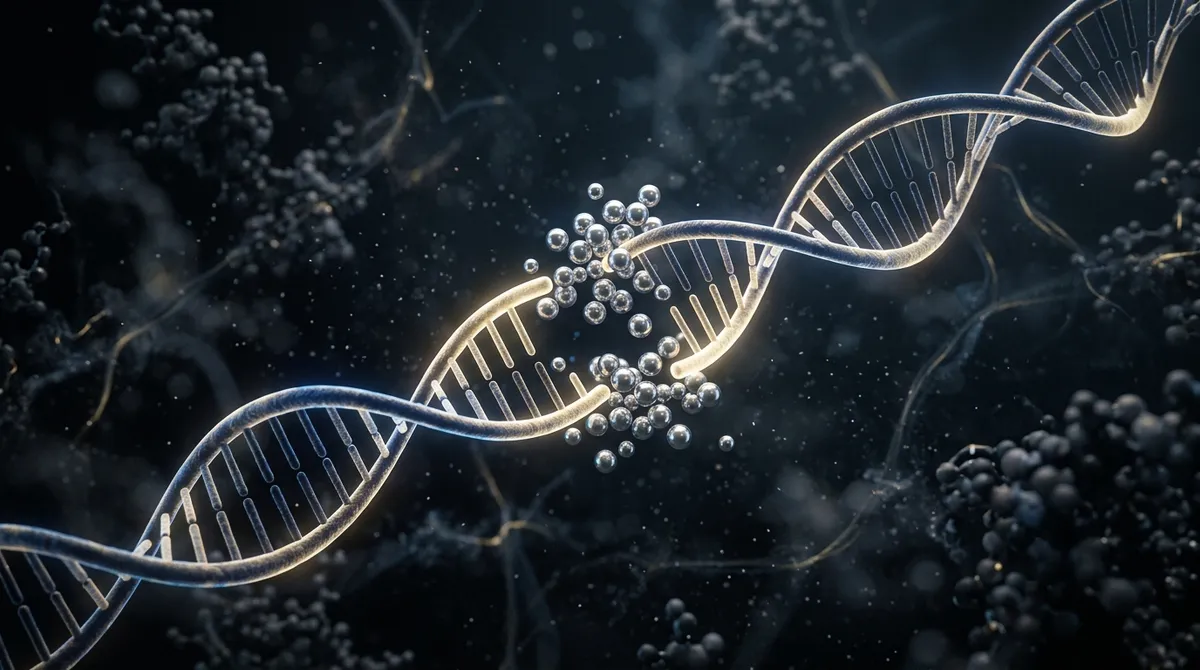
The latest research introduces an innovative method that could detect asthma years before traditional symptoms appear. This approach hinges on identifying specific biomarkers in the body, which signal the onset of asthma much earlier than previously possible. By focusing on these biomarkers, researchers can develop more accurate predictive tools and tailor treatment plans to individual needs.
Biomarkers: The Key to Early Detection
Biomarkers are biological indicators found in blood, tissues, or other bodily fluids that can reveal disease presence or progression. In the context of asthma, certain biomarkers change long before clinical symptoms are evident. By monitoring these changes, healthcare providers can anticipate asthma development, allowing for proactive measures to mitigate its impact.
Technological Advancements in Biomarker Analysis
With advances in technology, scientists can now analyze biomarkers with greater precision and speed. Sophisticated techniques such as high-throughput sequencing and bioinformatics play crucial roles in identifying relevant biomarkers for asthma. These tools enable researchers to sift through vast amounts of biological data, pinpointing the most significant indicators of future asthma risk.
Implications for Patient Care
The ability to predict asthma years in advance could transform how the condition is managed. Early detection means that patients can begin preventive therapies sooner, potentially reducing the severity of future attacks. Moreover, personalized treatment plans based on biomarker profiles can optimize therapy effectiveness, improving overall quality of life for asthma sufferers.
Potential for Broader Applications
While this research focuses on asthma, the implications extend beyond this single condition. The methodologies developed for biomarker identification could be applied to other chronic diseases, enhancing early diagnosis and intervention strategies across various medical fields. This cross-applicability highlights the broader impact of biomarker research on global health.
Steps Towards Implementation
Though promising, the transition from research to clinical application requires rigorous testing and validation. Clinical trials will be crucial to determine the effectiveness and safety of using biomarkers as a predictive tool for asthma. Collaborations between researchers, healthcare providers, and policymakers will be essential to integrate these advancements into standard medical practice.
Conclusion: A New Era in Asthma Management
The discovery of this method marks a significant leap forward in the battle against asthma. By enabling early detection, it paves the way for more effective management and improved patient outcomes. As research progresses, the healthcare community remains optimistic about the potential to apply similar strategies to other diseases, heralding a new era of predictive medicine.