
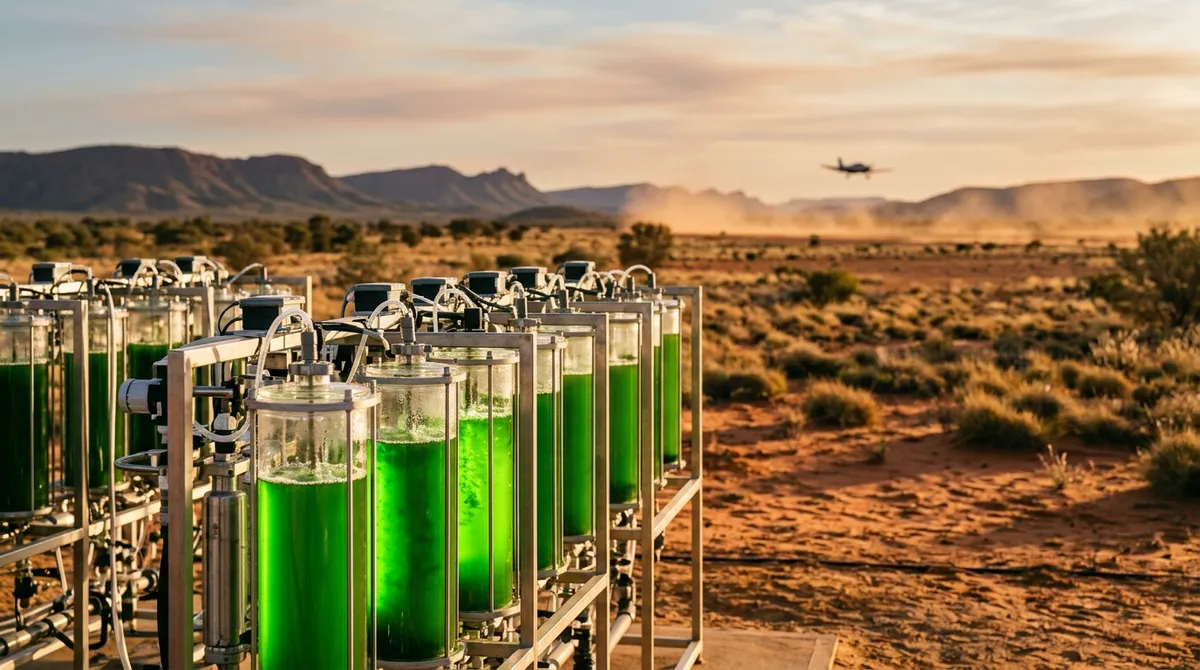
The Quiet Revolution in Australia's Fuel Crisis
While electric vehicles grab headlines, a less flashy but potentially vital climate technology is gaining attention: algae-based biofuels. According to reports, these "pond scum" fuels could help Australia produce cleaner diesel and sustainable aviation fuel locally, addressing both environmental concerns and national security risks.
Australia's Fuel Dependency Problem
Fuel security has returned to the spotlight as global energy shocks expose a critical vulnerability. Australia imports almost 80% of its liquid fuels, creating immediate and widespread consequences during any supply disruption. As energy shocks ripple through global markets, this heavy dependence on imported diesel and aviation fuel represents a significant national security risk.
The timing couldn't be more critical. Governments and industries face mounting pressure to cut emissions and scale low-carbon fuel alternatives, making the search for domestic, sustainable solutions more urgent than ever.
Why Algae May Succeed Where Others Failed
Many biofuels haven't lived up to their initial promise, but algae presents unique advantages that could make the difference. Unlike crop-based biofuels, algae offers superior land efficiency, potentially utilizing wastewater systems and maintaining compatibility with existing fuel infrastructure.
The key distinction lies in the trade-offs. According to reports, algae biofuels avoid the land, food, and emissions compromises that have plagued corn-based alternatives. This positions algae as a more sustainable option that doesn't compete directly with food production or require vast agricultural expanses.
The Aviation Fuel Challenge
One of the most compelling applications for algae biofuels is sustainable aviation fuel. While electrification may work for cars, planes present a much more complex challenge. The aviation industry desperately needs carbon-neutral fuel alternatives, and algae-based solutions could provide the energy density and performance characteristics required for commercial flight.
This "quiet climate tech" solution may prove essential for sectors that can't easily electrify, including long-haul trucking, farming operations, mining, and remote communities that rely on diesel generators.
Regional Australia as the Testing Ground
According to reports, regional Australia could serve as the ideal test bed for algae fuel development. These areas often have abundant space, suitable climate conditions, and existing infrastructure that could support algae cultivation and processing facilities.
The geographic distribution also makes sense from a logistics perspective. Rather than centralizing production in major cities, regional facilities could serve local markets while reducing transportation costs and emissions.
The Science Behind the Solution
Algae's potential stems from its remarkable efficiency. These microscopic organisms can produce oils suitable for conversion into diesel and jet fuel through established refining processes. The compatibility with existing fuel systems means infrastructure investments could be minimized, accelerating adoption timelines.
The wastewater potential adds another dimension to the technology's appeal. Algae cultivation could simultaneously address water treatment needs while producing valuable fuel outputs, creating multiple revenue streams and environmental benefits.
Climate Tech Comeback Story
The resurgence of interest in algae biofuels represents a fascinating comeback story in climate technology. After initial hype failed to deliver commercial viability, continued research and development have addressed many of the early challenges.
Improved cultivation techniques, better processing methods, and changing economic conditions have repositioned algae as a potentially viable solution. The combination of national security concerns and climate commitments creates a policy environment more favorable to alternative fuel development.
Looking Ahead
As Australia grapples with reducing emissions while maintaining energy security, algae biofuels offer a path forward that addresses both challenges simultaneously. The technology could provide domestic fuel production capabilities while contributing to carbon reduction goals.
The success of algae biofuels will depend on continued technological improvements and supportive policy frameworks. However, the fundamental advantages over traditional biofuels suggest this quiet revolution in fuel technology deserves serious consideration.
For a country heavily dependent on fuel imports, developing domestic algae-based alternatives could prove both economically and strategically vital in an increasingly uncertain global energy landscape.