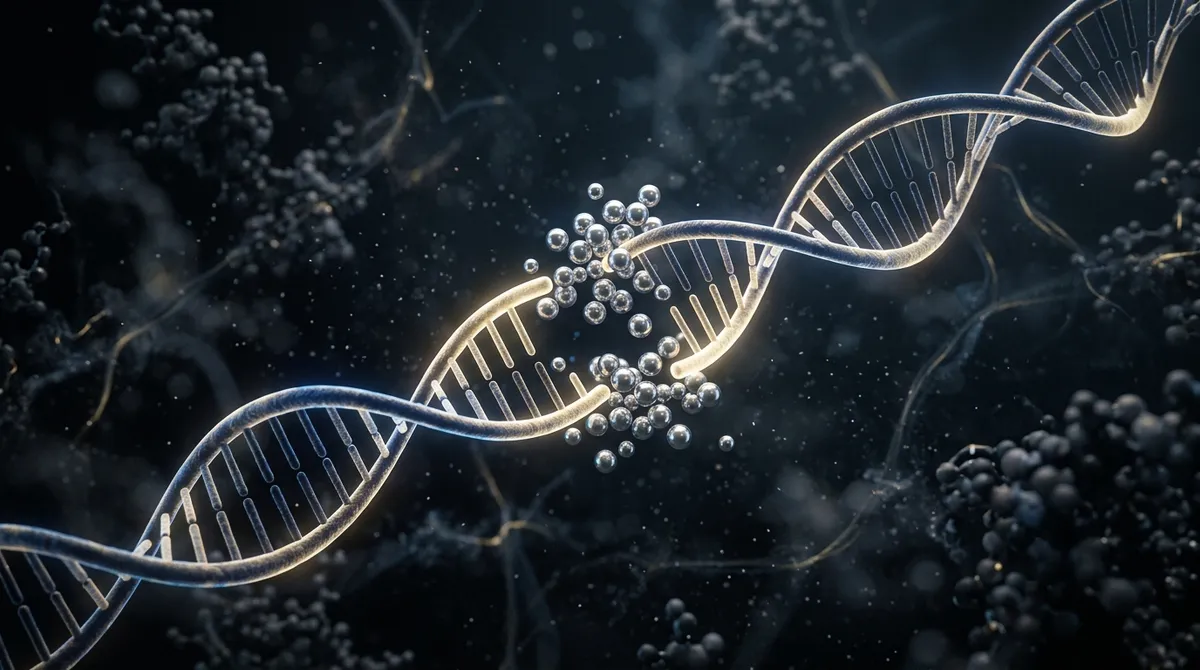
Chemotherapy, a primary treatment for cancer, is known for its effectiveness but also for the side effects it brings. Recent studies have revealed an unexpected interaction between chemotherapy and gut bacteria, offering insights into how the treatment might be optimized for better patient outcomes.
The Role of Gut Bacteria in Chemotherapy
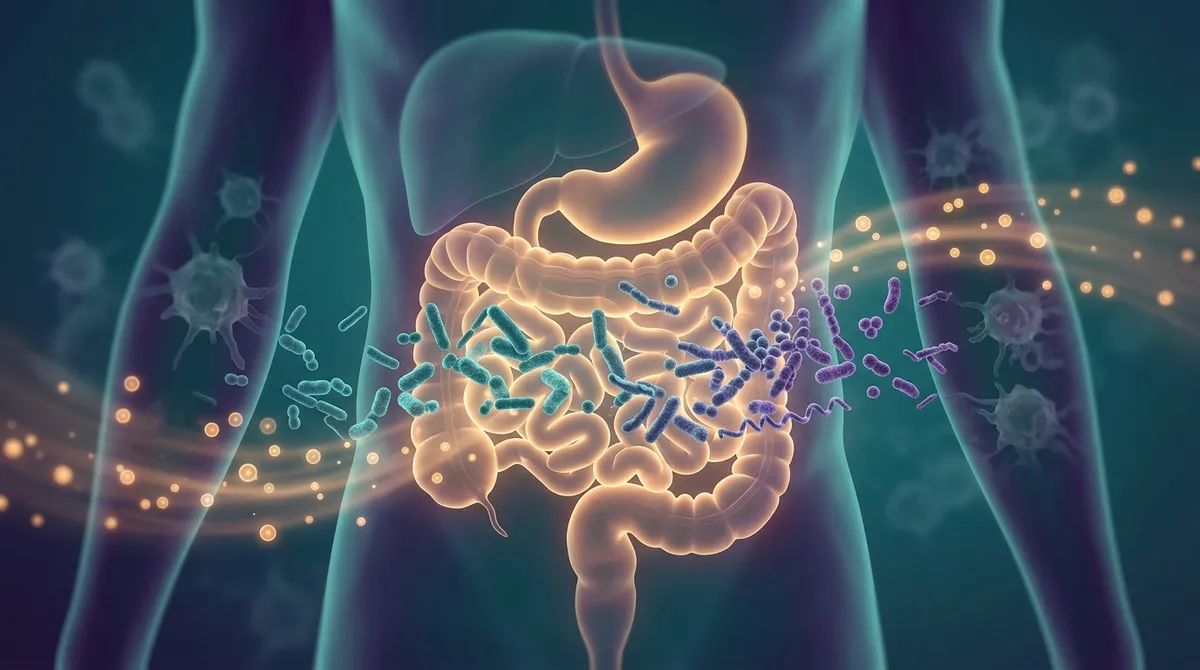
Gut microbiota, the diverse community of microorganisms in our digestive system, plays a vital role in maintaining health. Recent research has uncovered how chemotherapy impacts this microbiome, often leading to changes that can influence the treatment's effectiveness and the patient's overall well-being. Understanding these interactions opens up possibilities for enhancing cancer therapies.
How Chemotherapy Alters Gut Microbiota
Chemotherapy drugs are designed to target rapidly dividing cancer cells. However, they also affect other fast-dividing cells, including those in the gut. This disruption can lead to a shift in the balance of gut bacteria, a process that may result in digestive issues and impact the immune system. Studies show that this alteration in gut flora can either hinder or help the treatment's success, depending on how these bacteria interact with the drugs.
Impact on Immune Response
The immune system is intricately linked with gut health. Chemotherapy-induced changes in gut bacteria can weaken immune responses, making patients more vulnerable to infections. Conversely, certain microbial changes might boost the immune system's ability to target cancer cells, highlighting the complexity of this relationship.
Strategies to Mitigate Negative Effects
Researchers are exploring ways to manage gut microbiota during chemotherapy to enhance treatment outcomes. Probiotics, prebiotics, and dietary adjustments are being considered to maintain a healthy microbial balance. These interventions could reduce side effects and improve patients' quality of life during treatment.
The Future of Cancer Treatment
Understanding the role of gut bacteria in chemotherapy is just the tip of the iceberg. As research progresses, personalized treatment plans that consider an individual's microbiome could become a reality. This approach might maximize the efficacy of chemotherapy while minimizing adverse effects, marking a significant advancement in cancer care.
Conclusion
The revelation that chemotherapy can rewire gut bacteria is a promising development in oncology. By harnessing this knowledge, medical professionals can tailor treatments to better suit individual patients, potentially transforming cancer therapy. As we continue to explore the gut microbiome's role in health and disease, new avenues for improving cancer treatment and patient outcomes will undoubtedly emerge.