
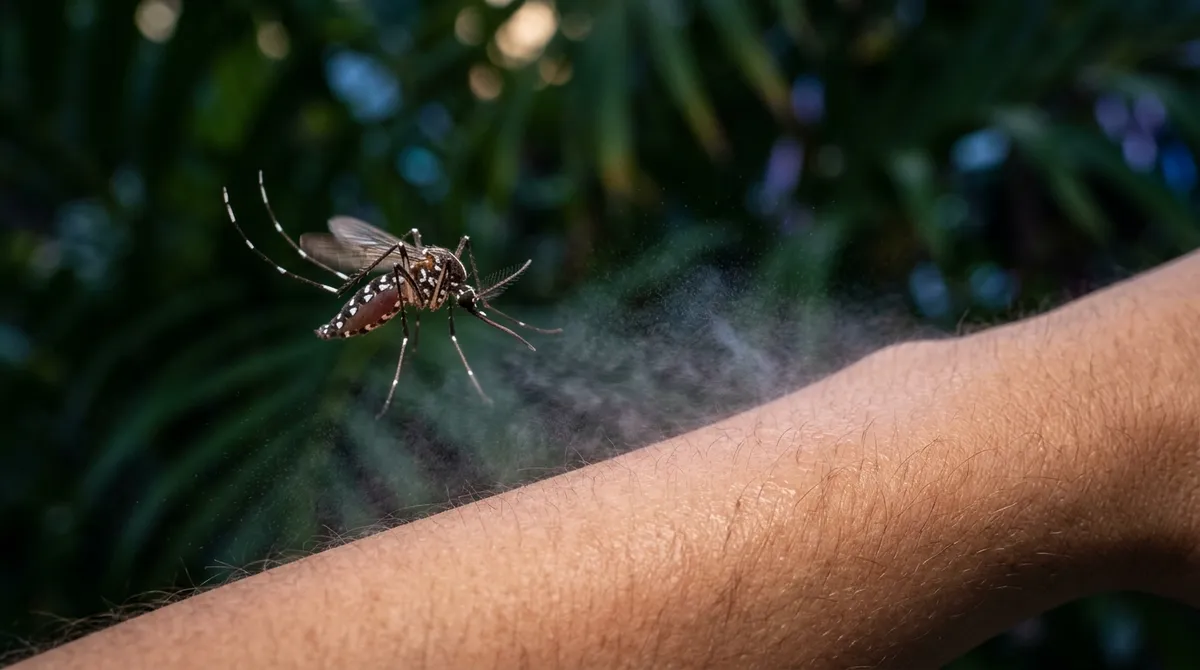
The Surprising Science Behind Mosquito Learning
A groundbreaking new study has revealed an unexpected twist in the ongoing battle between humans and mosquitoes. According to reports, Aedes aegypti mosquitoes—the species responsible for transmitting dengue, Zika, and yellow fever—can actually learn to associate the smell of DEET with feeding opportunities.
This finding challenges our basic assumptions about how insect repellents work in real-world conditions. The research shows that trained mosquitoes become more likely to approach DEET-treated skin, suggesting these tiny insects possess more sophisticated learning abilities than previously understood.
What This Means for DEET's Effectiveness
Before panic sets in, researchers emphasize that this discovery doesn't mean DEET has stopped working as an effective mosquito repellent. The key insight centers on timing and proper application. According to the study findings, the issue arises specifically when DEET concentrations fade on human skin over time.
The takeaway isn't that people should abandon DEET-based products, but rather that consistent reapplication becomes crucial as repellent levels diminish. This reinforces the importance of following manufacturer guidelines for reapplication schedules, particularly in high-risk environments.
The Growing Urgency of Mosquito Research
This research comes at a critical time when mosquito-borne diseases continue to pose major global health threats. According to reports, mosquito populations are growing while concerns about insecticide resistance are mounting. As more people travel to or establish residences in mosquito-heavy regions, understanding how repellents perform under real-world conditions becomes increasingly vital.
The Aedes aegypti species studied is particularly concerning due to its role as a disease vector. These mosquitoes are efficient transmitters of multiple serious illnesses, making effective repellent strategies essential for public health protection.
Implications for Travelers and Outdoor Enthusiasts
For individuals planning trips to tropical destinations or spending extended time outdoors, this research underscores several practical considerations. The study's findings suggest that the common practice of applying repellent once and forgetting about it may not provide optimal protection throughout the day.
According to reports, the research highlights why consistent reapplication schedules matter, particularly as DEET concentrations naturally decrease through normal wear, sweating, and environmental exposure. This is especially relevant for hikers, travelers, and anyone spending prolonged periods in mosquito-prone areas.
Understanding Mosquito Intelligence
The study reveals that mosquitoes demonstrate more complex learning behaviors than many people realize. The ability of Aedes aegypti mosquitoes to form associations between specific scents and feeding opportunities suggests these insects possess sophisticated neural capabilities for such small creatures.
This learning ability represents an evolutionary adaptation that helps mosquitoes optimize their feeding strategies in environments where humans regularly use repellents. The research provides new insights into how mosquito-human interactions evolve over time in response to our defensive measures.
Practical Prevention Strategies
While the study focuses specifically on DEET behavior, the findings emphasize broader principles of effective mosquito protection. According to reports, the research supports the importance of following manufacturer guidelines for all repellent products, not just those containing DEET.
The study also reinforces that repellent effectiveness depends heavily on proper application timing and frequency. As concentrations fade, even well-established repellents may become less effective, potentially creating windows of vulnerability.
Looking Forward: Public Health Implications
This research contributes to our growing understanding of mosquito behavior in an era of increasing disease transmission risks. According to the study, these findings become particularly relevant as global travel increases and climate change potentially expands mosquito habitat ranges.
The work also highlights the need for continued research into mosquito learning behaviors and their implications for disease prevention strategies. Understanding how these insects adapt to human countermeasures could inform the development of next-generation repellent technologies and application protocols.
As mosquito-borne diseases remain a persistent global health challenge, studies like this provide valuable insights for improving protective measures and public health recommendations.