As environmental awareness rises, the methods we choose for managing our remains after death are increasingly under scrutiny. With traditional burial and cremation being common practices, many are questioning their ecological impacts and searching for more sustainable alternatives. This article explores the environmental implications of these practices and examines emerging eco-friendly options.
The Environmental Impact of Traditional Burial
Traditional burial has long been the norm in many cultures, but it comes with significant environmental costs. The process often involves embalming, which uses toxic chemicals like formaldehyde that can leach into the soil. Additionally, the production and transportation of materials for coffins and headstones contribute to carbon emissions. Furthermore, cemeteries require large areas of land, which can disrupt local ecosystems and reduce biodiversity.
Cremation: A Greener Choice?
Cremation is often viewed as a more environmentally friendly option compared to burial. However, it is not without its drawbacks. The cremation process requires substantial energy, typically derived from fossil fuels, leading to considerable greenhouse gas emissions. Furthermore, the release of mercury from dental fillings during cremation poses a pollution risk. Despite these issues, cremation generally leaves a smaller land footprint than traditional burial.
Emerging Eco-Friendly Alternatives
Innovative alternatives to traditional burial and cremation are gaining traction as people seek more sustainable options. One such method is alkaline hydrolysis, also known as water cremation. This process uses a solution of water and potassium hydroxide to break down the body, resulting in fewer emissions and energy consumption compared to conventional cremation.
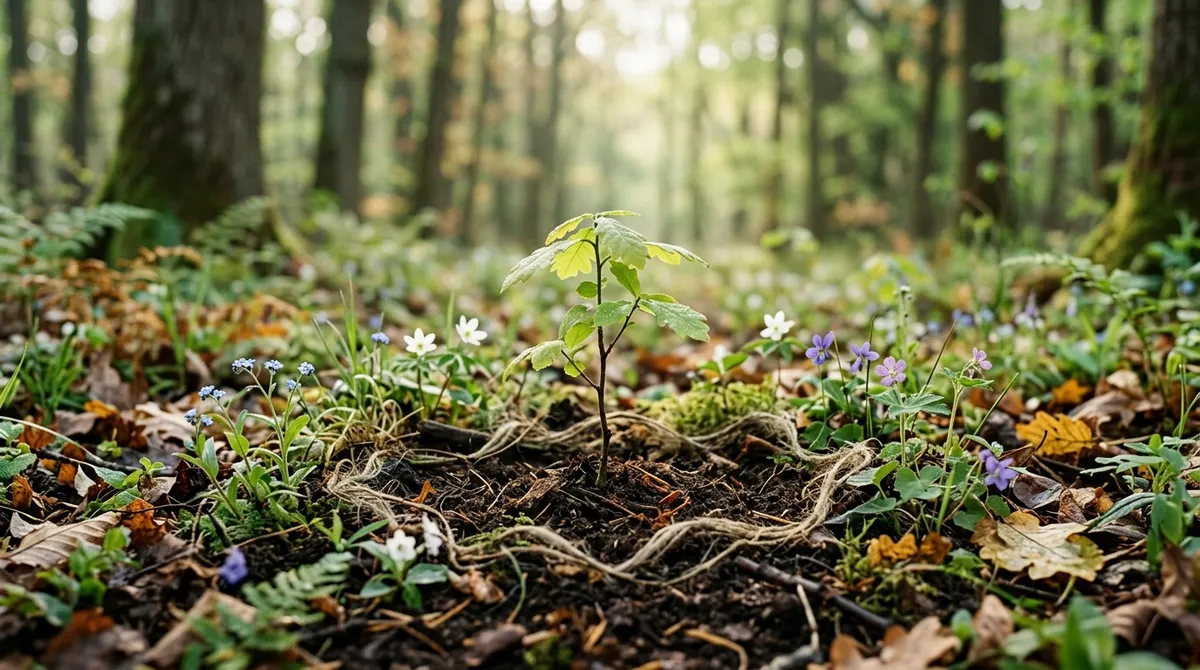
Another promising option is natural or green burial. This approach avoids embalming and uses biodegradable materials for caskets or shrouds, allowing the body to decompose naturally and enrich the soil. Green cemeteries often incorporate native vegetation, supporting local wildlife and preserving natural habitats.
Recomposition and Human Composting
Recomposition, or human composting, is an innovative technique that transforms human remains into nutrient-rich soil. This process involves placing the body in a reusable vessel with organic materials, such as wood chips and straw, to accelerate decomposition. After several weeks, the remains are fully converted into compost, which can be used to nourish plants and support ecosystems.
Choosing the Right Path
When selecting a method for handling remains, several factors should be considered. The environmental impact, cost, cultural beliefs, and personal values all play a role in making this deeply personal decision. As awareness of eco-friendly practices grows, more individuals and families are opting for sustainable options that align with their commitment to the environment.
Ultimately, the choice of how one's remains are handled can serve as a final act of environmental stewardship. By considering the ecological implications of traditional burial and cremation, and exploring innovative alternatives, we can make informed decisions that reflect our values and contribute to a healthier planet.