
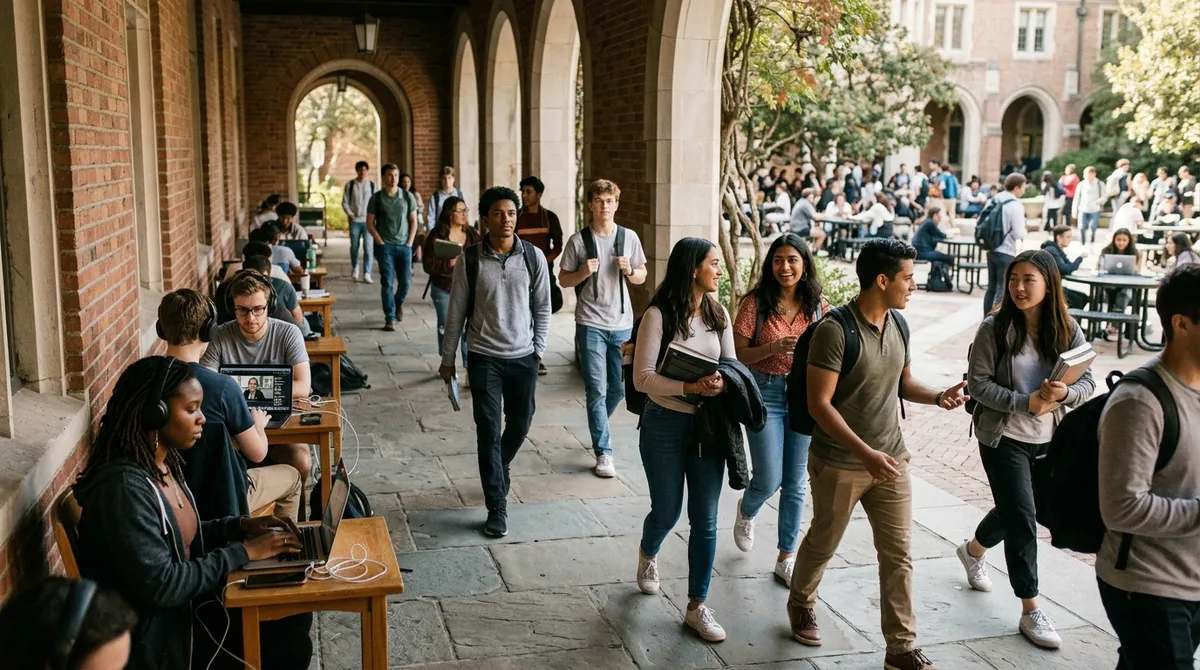
The global pandemic has significantly impacted various aspects of life, including the educational experiences of college students. As universities around the world adapt to new norms, the academic performance and well-being of students have become areas of concern and study. Recent findings suggest that while students are gradually adjusting, the recovery process has been uneven across different demographics and institutions.
Adapting to New Educational Environments
Universities and colleges have had to pivot quickly to accommodate remote learning, and this shift has affected students in various ways. While some students thrived in online environments, others struggled with the lack of face-to-face interaction and the challenges of accessing reliable technology. As campuses reopen, institutions are exploring hybrid models to blend in-person and virtual learning, aiming to provide a more inclusive educational experience.
Diverse Impacts on Student Populations
The pandemic's impact on students has not been uniform. Many factors, such as socioeconomic background, access to resources, and personal circumstances, have influenced how students have coped. Students from underprivileged backgrounds often face greater challenges due to limited access to technology and quiet study spaces. Additionally, international students have encountered unique hurdles with travel restrictions and adapting to different time zones for online classes.
Mental Health and Academic Performance
The mental health of college students has been a significant concern throughout the pandemic. The stress of adapting to new learning environments, combined with uncertainty about the future, has affected many students' well-being. Universities are increasingly aware of the importance of providing mental health support and resources to help students manage stress and anxiety, which in turn can influence their academic performance.
Institutional Support and Resources
Colleges have been implementing various strategies to support students during this transition period. Academic advising, tutoring, and counseling services have become essential components of student support systems. Institutions are also investing in technology infrastructure to ensure that all students have access to necessary resources, regardless of their location or financial situation.
Looking Ahead: The Future of Higher Education
As the world continues to navigate the post-pandemic landscape, the future of higher education is likely to be more flexible and technology-driven. The lessons learned during this period are expected to shape long-term strategies for teaching and learning. Universities are likely to continue exploring innovative approaches to education that cater to diverse student needs and promote a more resilient academic community.
The pandemic has underscored the importance of adaptability and resilience in education. As students and institutions continue to adjust, the focus remains on creating supportive environments that foster both academic success and personal growth.